Deep TMS · TPS Therapy · Birmingham & the Midlands
When standard treatment alone has not worked, there is another pathway
We offer advanced brain stimulation treatments in Birmingham for complex mental health and cognitive conditions. Led by specialist psychiatry, shaped around your history, and designed to help you move forward.
Patient recognition
You are not out of options. You may need a different approach.
When you have already tried medication, therapy, referrals, and time, being told to keep going can feel impossible.
Medication may have helped, but only partially. Side effects may have made treatment difficult. Symptoms may have returned. Therapy may have helped you understand the problem without fully shifting it. Or you may feel stuck in a cycle of appointments, medication changes, and waiting.
The problem is not that you have not tried hard enough. Sometimes the pathway itself needs to change.
Introduction
The Midlands’ specialist centre for advanced neuromodulation
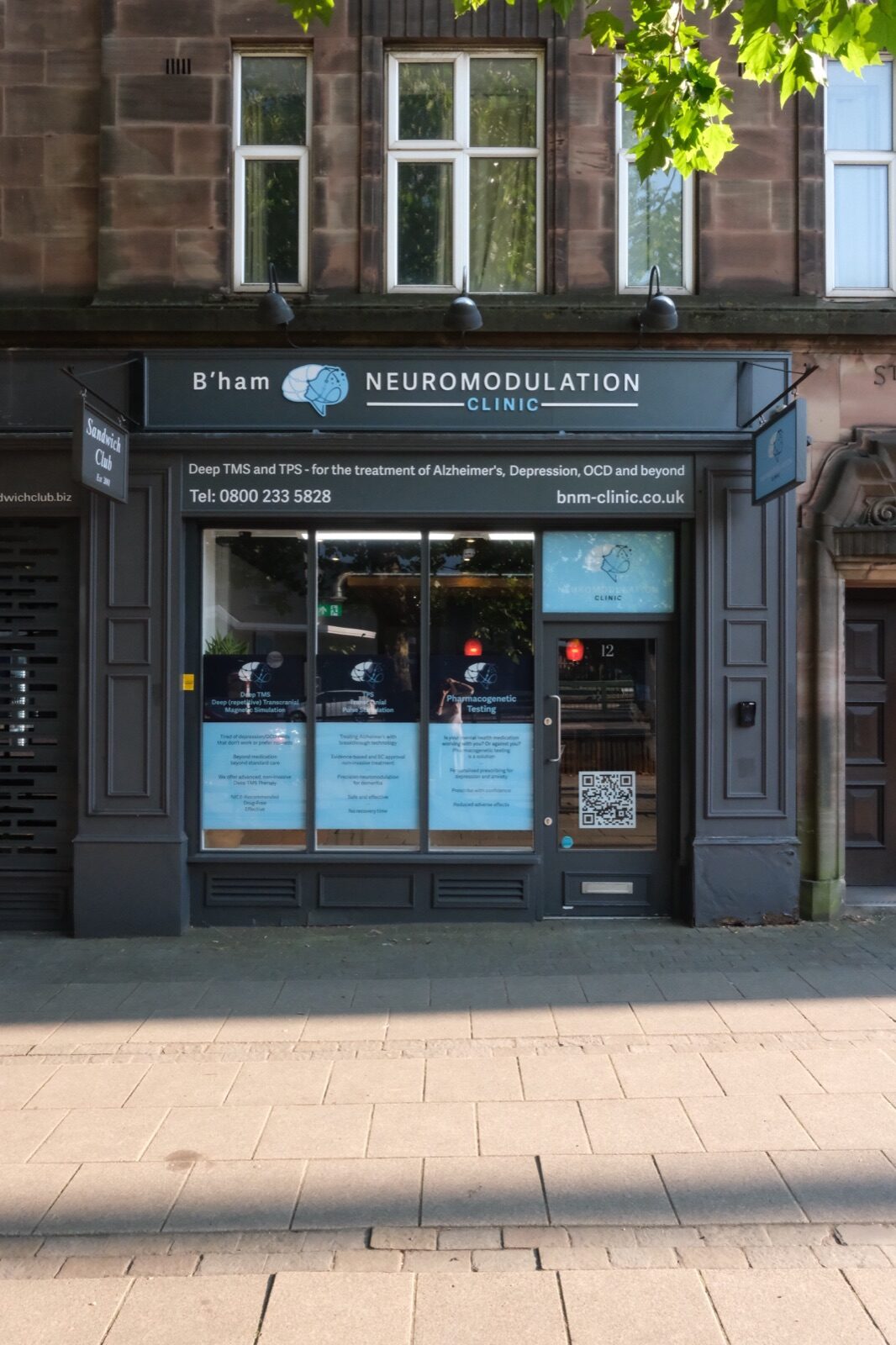
Birmingham Neuromodulation Clinic is not a general mental health clinic. It is a specialist centre built around one purpose: giving patients access to advanced brain-based treatments when conventional pathways have not delivered enough progress.
From our clinic in Edgbaston, Birmingham, we provide Deep TMS, TPS Therapy, pharmacogenetic testing, and consultant-led psychiatric care for patients across the Midlands.
This is where innovation meets clinical judgement. This is not purely treatment by template, nor another rushed appointment. There is no more trial and error.
Treatment options
Advanced treatment pathways at BNM Clinic
Deep TMS
For complex mental health conditions where standard treatment has not gone far enough
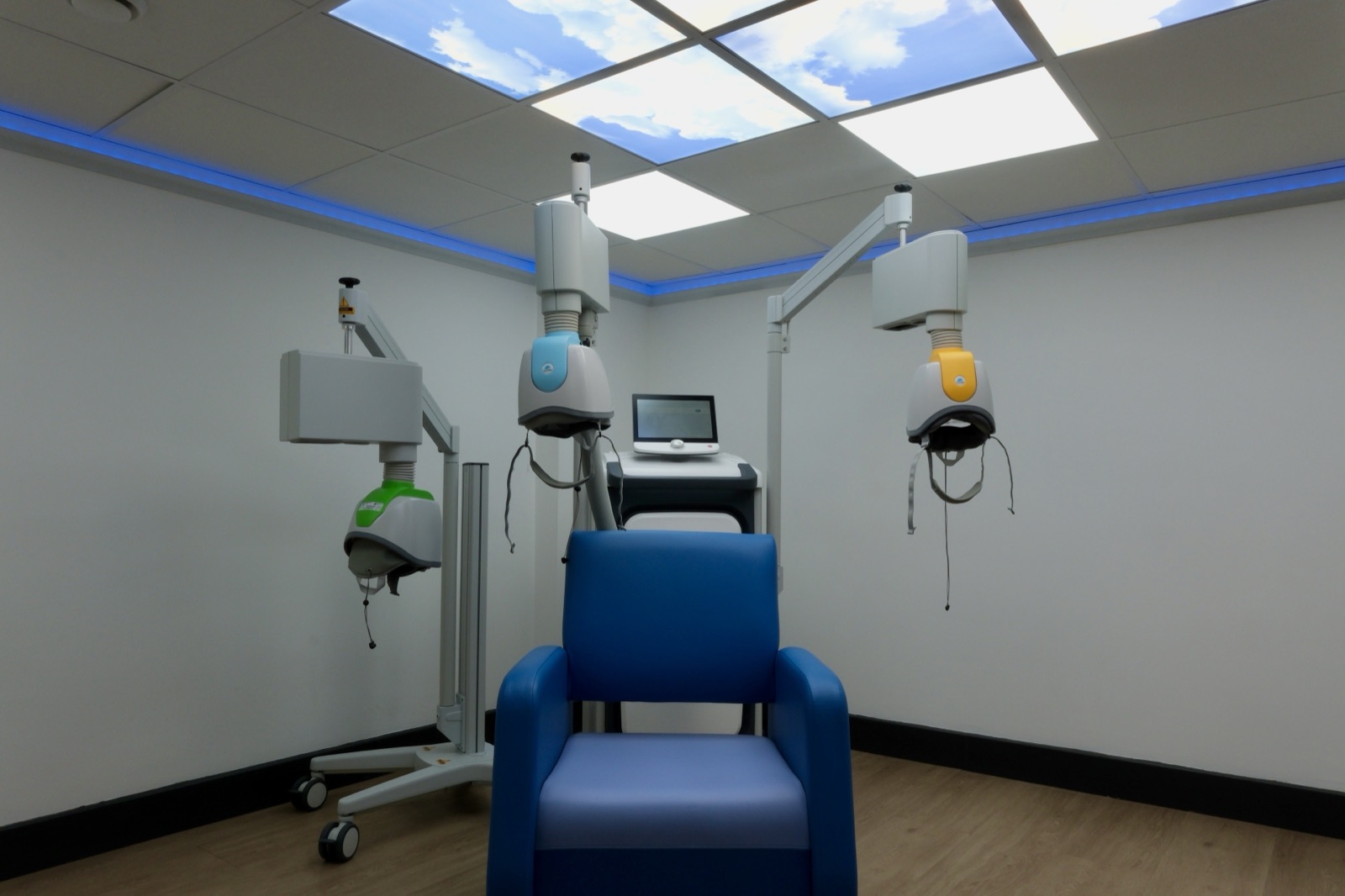
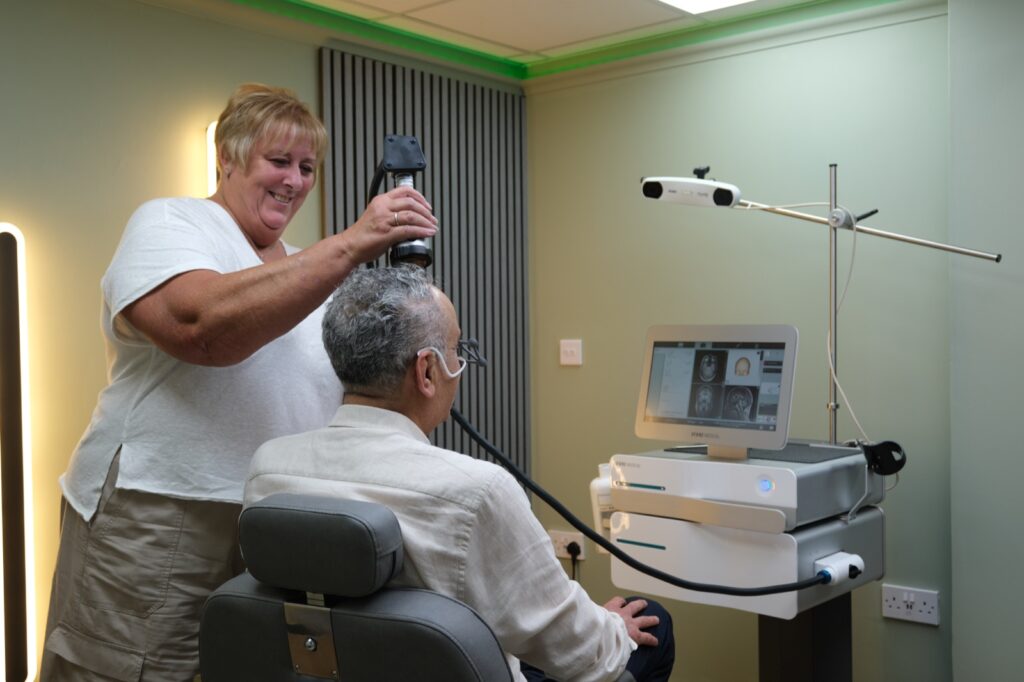
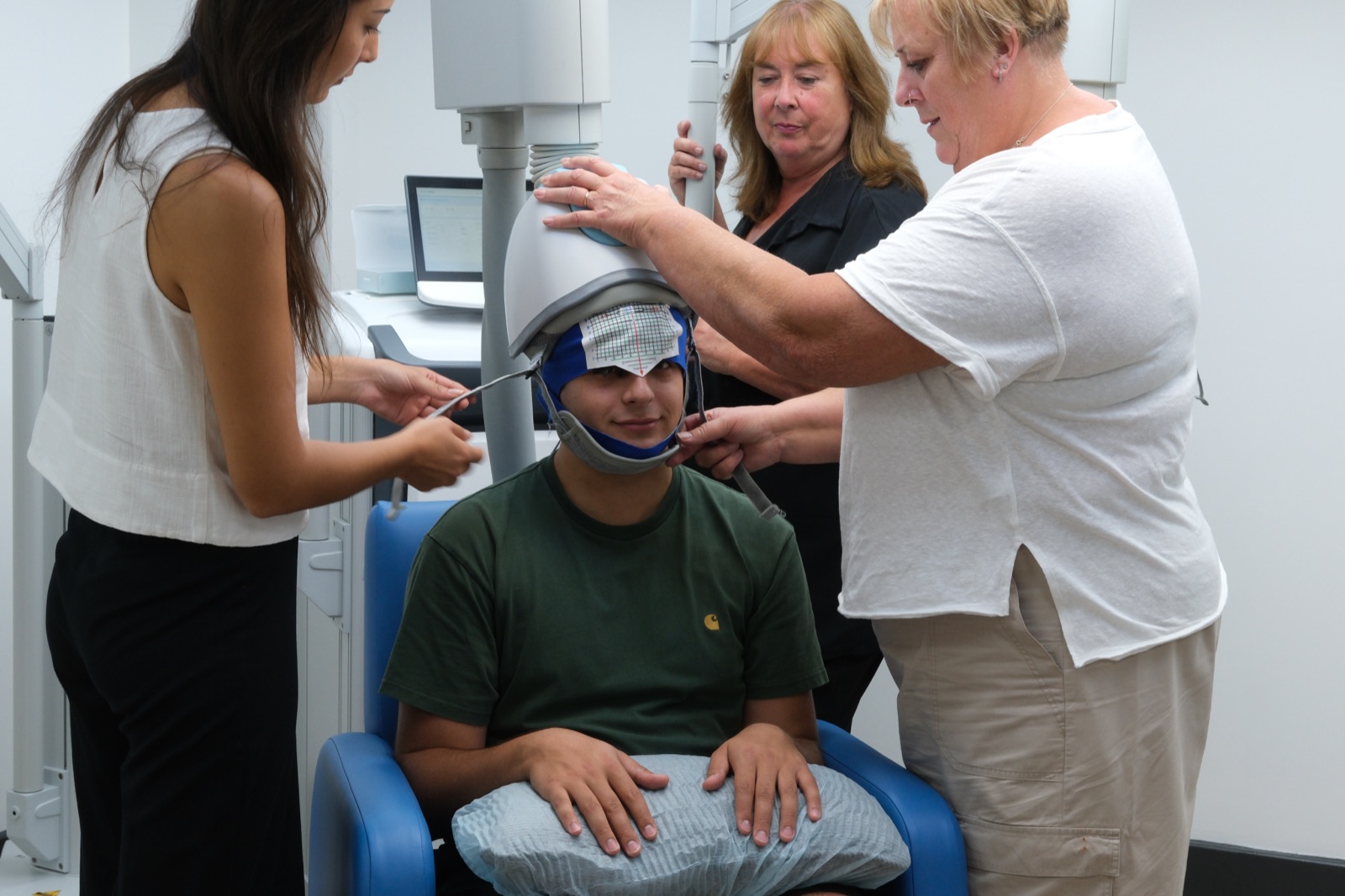
An advanced, non-invasive form of TMS therapy (transcranial magnetic stimulation), designed to reach deeper and broader neural networks than standard TMS. Delivered in clinic while you are awake, with no surgery, anaesthetic, or hospital admission.
TPS Therapy
Advanced neuromodulation for Alzheimer's disease
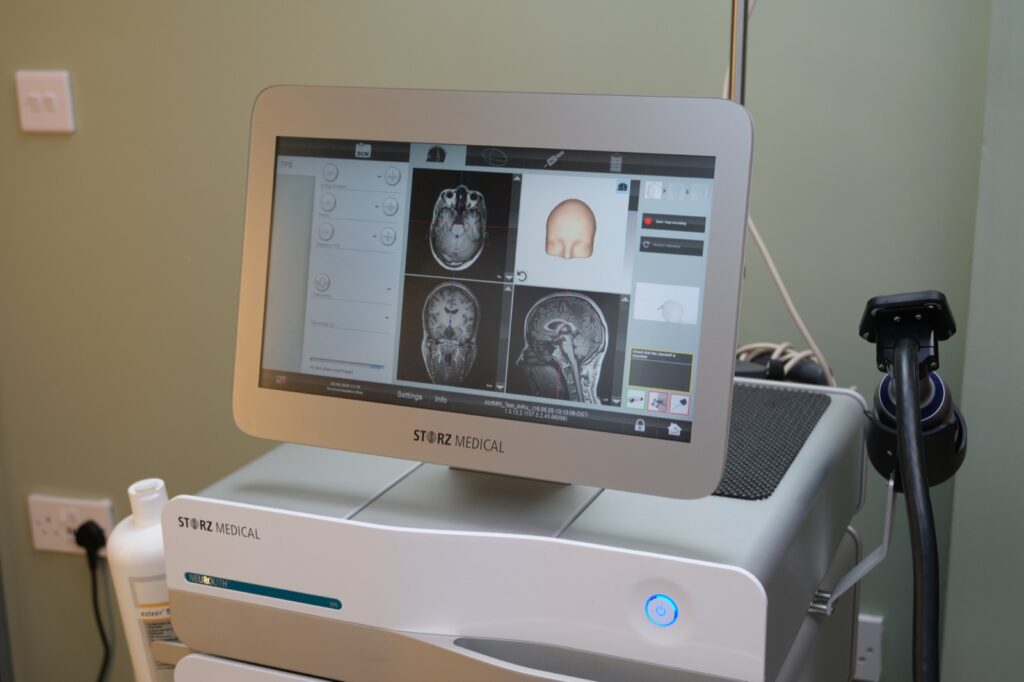
Transcranial Pulse Stimulation therapy uses targeted acoustic pulses to stimulate areas of the brain associated with cognitive function. Currently the only clinic outside London offering TPS.
Pharmacogenetic testing
Precision insight for people tired of medication trial and error
Your genetics can influence how your body processes certain psychiatric medications, and how likely you are to experience side effects. A simple test that moves treatment planning away from guesswork.
Consultant psychiatric assessment
Clarity when your current treatment plan is not working
A consultant-led assessment connects the dots between symptoms, diagnosis, medication history, and previous treatment response. For many patients, this is where the pathway becomes clearer.
Sleep disorders and CBT-I
For sleep problems that have gone on for months
Dr Nabavi assesses what is actually disturbing your sleep. For chronic insomnia, the treatment is cognitive behavioural therapy for insomnia (CBT-I), which NICE recommends first, ahead of sleeping tablets. One to one with our CBT-I therapist, at the clinic or online.
Deep TMS vs rTMS
Not all brain stimulation is the same
Most clinics offering brain stimulation in this region provide standard rTMS. BNM Clinic provides Deep TMS using BrainsWay H-coil technology. The difference is in the coil.
| Feature | Standard rTMS | Deep TMS at BNM |
|---|---|---|
| Coil technology | Figure-8 surface coil | BrainsWay H-coil |
| Depth of stimulation | Surface cortical regions | Deeper and broader neural networks |
| Delivered by | Often a TMS practitioner | Consultant Psychiatrist-led pathway |
| Available in Birmingham | Several providers | BNM Clinic |
If you have already had rTMS without enough improvement, that does not automatically rule out Deep TMS. It works differently, so it is still worth asking about.
What the research shows
A published head-to-head study randomised 228 patients with treatment-resistant depression, comparing Deep TMS with medication, standard TMS with medication, and medication alone.
After 20 sessions, 66.7% of the Deep TMS group responded to treatment, compared with 44.0% of the standard TMS group and 23.5% of those taking medication alone. The difference between Deep TMS and standard TMS was statistically significant. Remission rates also favoured Deep TMS, although that particular difference did not reach statistical significance. Safety and tolerability were comparable between the two treatments.
Filipčić et al. (2019), Journal of Psychiatric Research 114: 113-119.
Regulatory status
Deep TMS using BrainsWay technology is FDA cleared in the United States for major depressive disorder and anxious depression (H1 coil), obsessive compulsive disorder (H7 coil) and smoking cessation (H4 coil). In the UK, NICE interventional procedures guidance supports the use of repetitive transcranial magnetic stimulation for depression.
Conditions we treat
Helping patients and families facing complex conditions
Mental health
Depression · Treatment-resistant depression · Anxious depression · OCD · Anxiety-related symptoms · Trauma · Persistent or complex mental health symptoms · Smoking cessation support
Cognitive health
Alzheimer's disease
Medication difficulties
Poor medication response · Difficult side effects · Repeated medication changes
Sleep health
Sleep disorders · Chronic insomnia · CBT for insomnia (CBT-I)
Not sure where to start?
Most people arrive here without knowing which treatment applies to them, and that is completely normal. You do not need to work it out on your own.
A consultation with our clinical team reviews your symptoms, your history, and what you have already tried. We will then present all your options honestly, including discussions about suitability for any of the treatments we offer.
Our process
A clearer route into specialist care
Contact the clinic
A short phone call, free of charge. Tell us what you are struggling with and what you have already tried.
Consultation
Your symptoms, treatment history, medication response, and goals are reviewed by Dr Nabavi or one of our psychiatrists.
Treatment planning
Where treatment is appropriate, we explain the recommended pathway, expected schedule, monitoring, and practical details before anything begins.
Treatment course
You attend regular sessions in clinic over the recommended period, in a calm and private setting.
Review and monitoring
Progress is reviewed through clinical discussion and, where appropriate, structured symptom measures.
You will know the cost and the schedule before your first session.
Clinical leadership
Led by Dr Behrouz Nabavi
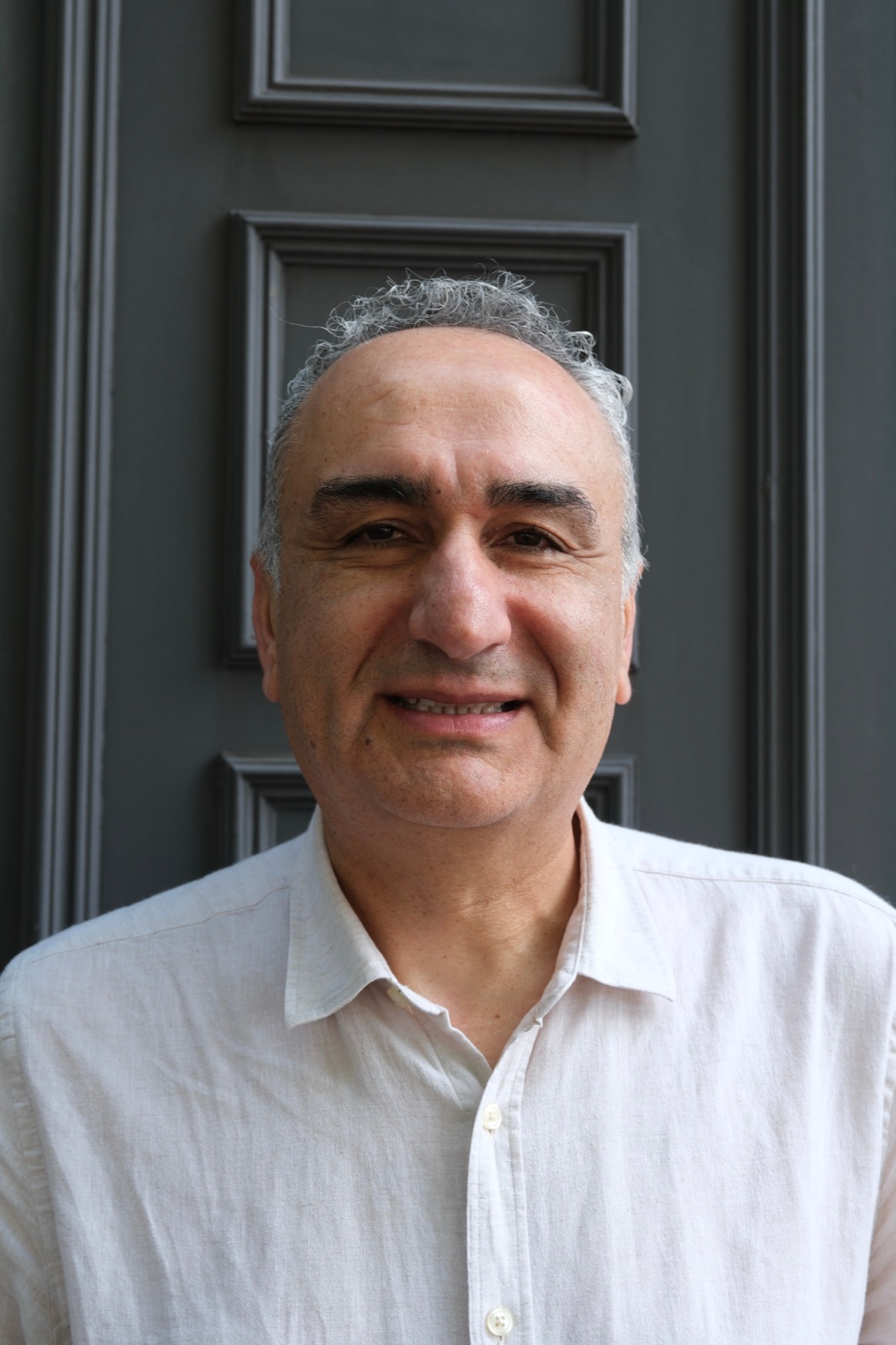
BNM Clinic is led by Dr Behrouz Nabavi, Consultant Psychiatrist and Medical Director.
Advanced neuromodulation requires more than specialist equipment. It requires clinical judgement: knowing when treatment is appropriate, how it fits into the wider psychiatric picture, and how to guide patients safely through the process.
Clinical excellence and trust
Consultant-led from the start
Every pathway is reviewed by a Consultant Psychiatrist before treatment is recommended, not after.
CQC registered
We operate under Care Quality Commission registration, with documented governance, consent and safety protocols.
Recognised treatments, not experimental ones
Deep TMS holds FDA clearance in the United States across four indications, and NICE guidance supports rTMS for depression. TPS received European regulatory approval for Alzheimer's disease in 2021.
Advanced treatments in one place
Deep TMS, TPS Therapy, pharmacogenetic testing, and consultant psychiatry brought together in one specialist Birmingham clinic.
Built for complex treatment journeys
Most patients come to us after standard care has not taken them far enough. The clinic is designed for that level of complexity.
Measured, not assumed
Progress is tracked using validated clinical measures, so change is recorded rather than guessed at.
Honest about suitability
These treatments are not right for everyone. We will tell you if that is the case.
FAQs
Very rarely. Only a small number of NHS trusts offer any form of TMS, and Deep TMS is not routinely available. Most patients who need it access it privately.
Treatment is delivered while you are awake and seated. There is no surgery, no anaesthetic and no hospital admission. With Deep TMS you will feel a tapping on your scalp. For the first session or two it can feel odd, and some people find it a little uncomfortable, but most stop noticing it after that.
Yes. You do not have to stop your medication or therapy to have treatment here. Deep TMS and TPS are given alongside what you are already doing, and any change to your prescription is a decision for you and whoever prescribes it.
It depends on the condition. For depression, Deep TMS is five sessions a week for four weeks, then two a week for a further eight weeks: 36 sessions over about three months. An accelerated protocol can complete a depression course in around two weeks. OCD is 29 sessions over six weeks, and smoking cessation is 18 sessions over six weeks. A session takes 20 to 30 minutes. TPS is six sessions over two weeks, then one maintenance session roughly every six weeks if it is helping. Your clinician will confirm your schedule before treatment begins.
Then we will say so. Suitability is assessed against your diagnosis, medical history, safety factors and goals. A consultation is an assessment, not a commitment.
No. You can contact the clinic directly. We also accept referrals from GPs, psychiatrists, therapists, and other health professionals. If you have been referred, you stay under their care while you are treated here.
Ready to move beyond standard treatment?
If conventional care has not taken you far enough, BNM Clinic offers advanced neuromodulation and personalised psychiatric care from our specialist Birmingham clinic.
Start with a consultation.